

By Tracy Gupton
Today is the 73rd anniversary of the signing of the Korean War Armistice agreement. The United Nations Command reached an armistice with China and North Korea on July 27, 1953, at Panmunjom, ending active hostilities between North and South Korea and established a Demilitarized Zone (DMZ) along the 38th parallel. The Korean War Armistice Day created a ceasefire supervised by the Military Armistice Commission but did not produce a formal peace treaty. South Korea never signed the agreement due to President Syngman Rhee’s objections.
The three years of fighting in Asia resulted in over a million combat casualties and close to the same number of civilian deaths. In modern days Americans can witness what a bloody mess the Korean War of 1950 to 1953 was on a daily basis by watching reruns of M*A*S*H on television. But for many citizens of West Columbia, Brazoria, Damon, Sweeny and surrounding communities, America’s involvement in the Korean conflict resulted in many young men sacrificing their lives. Our geographical region of Southeast Texas was not immune to the immense grief and sorrow associated with young soldiers coming home in body bags and coffins. And then some did not come home at all.
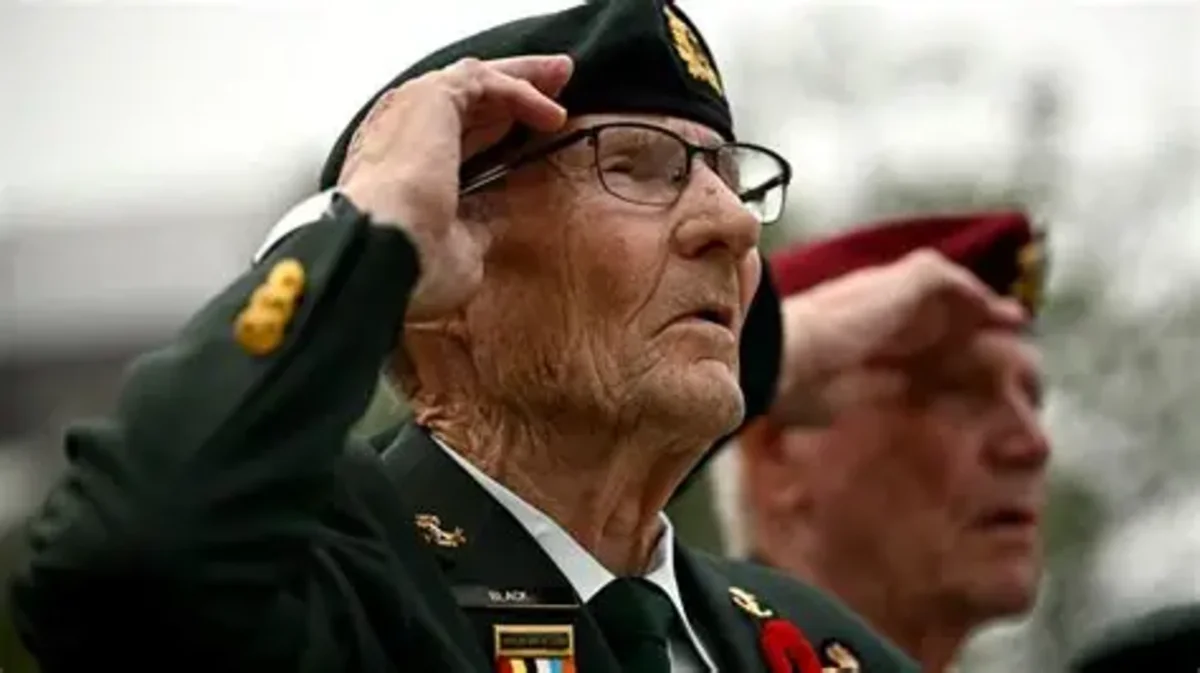
A walk by this writer earlier today on a hot, muggy Monday morning at the Mattson-Ringgold American Legion grounds in West Columbia resulted in copious notes jotted down on paper of the many soldiers from this area who served their country in the various branches of the military during the Korean War. The most prominent and heart-breaking of those names were the few killed in action and the men from the West Columbia area listed as prisoners of war and missing in action.
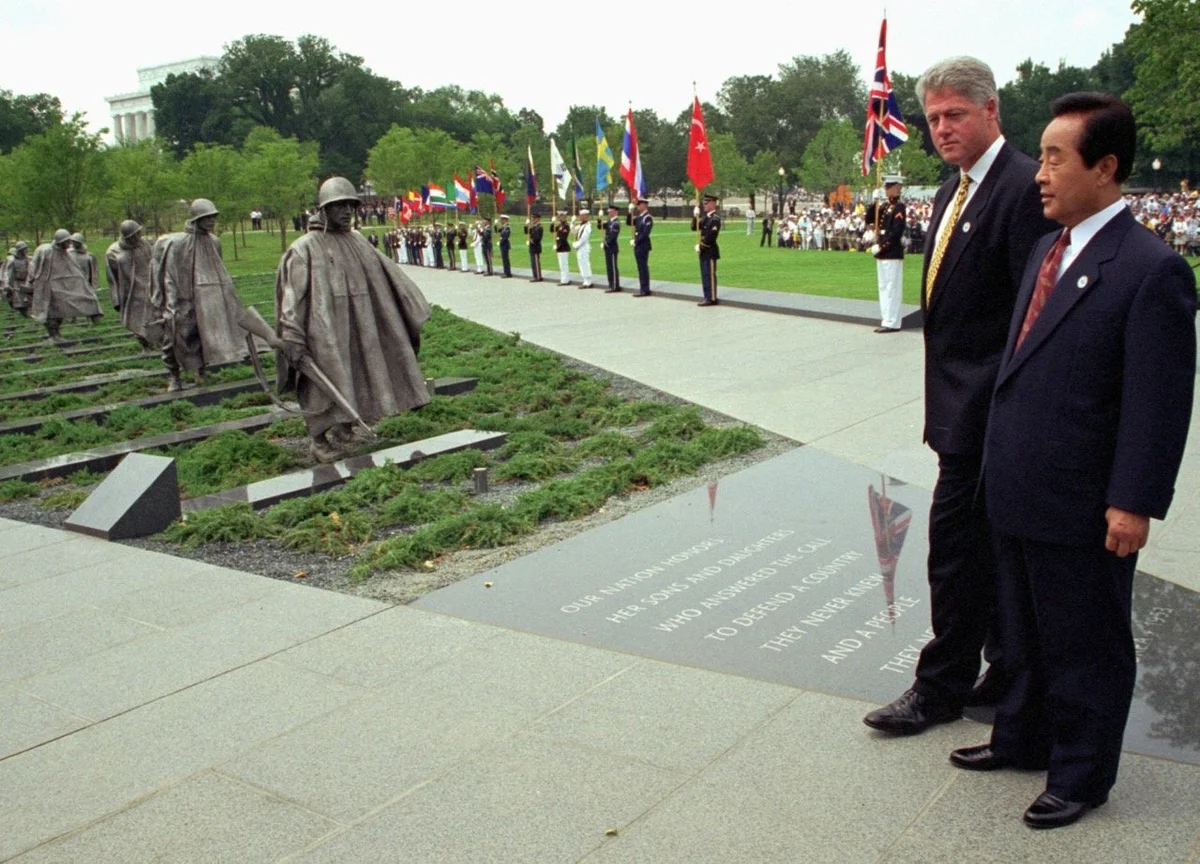
U.S. Army Corporal Bernard Edwin Weichman was buried by his companions in a shallow grave at a prisoner of war camp at Pyoktong on an unspecified date in either February or March of 1951. His remains were never returned to his family in Texas. Weichman grew up in West Columbia as the foster child of Daulton Lee “Blackie” Brumlow and Delda Weichman Brumlow. He was born in San Antonio July 19, 1931, and was only 19 when he died a prisoner of war in Korea. Bernard is remembered at the Korean War Veterans Memorial in Washington, D.C. and his name is inscribed on the Courts of the Missing at the Honolulu Memorial in Hawaii.
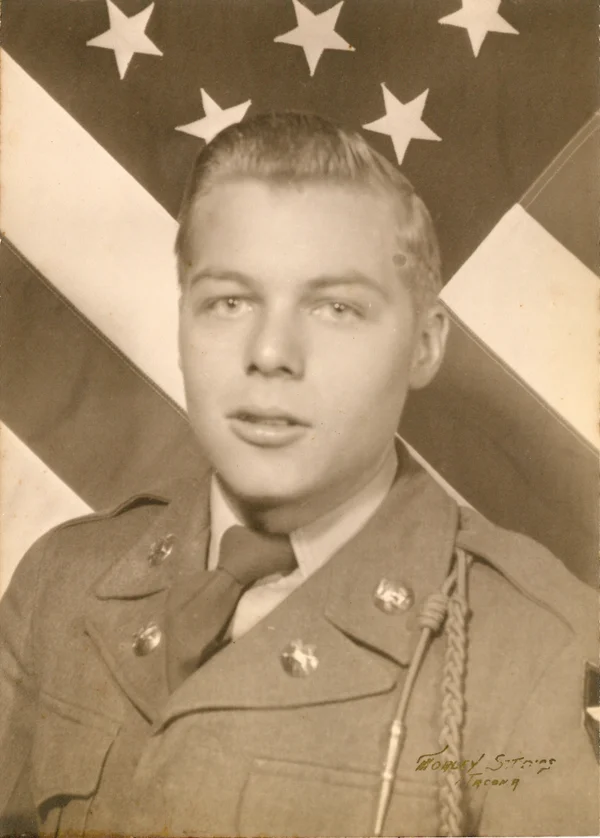
Research on the internet today resulted in finding out how Corporal Weichman perished on the other side of the globe from his home in Brazoria County, Texas. He was a member of Headquarters Battery, 82nd Anti-Aircraft Artillery Battalion, 2nd Infantry Division of the U.S. Army that was among about 30,000 United Nations troops who were encircled and attacked by approximately 120,000 Chinese troops at the Chosin Reservoir area November 27, 1950. A brutal 17-day battle in freezing weather and rough terrain left over 17,000 UN forces killed or wounded. The Chinese suffered three times that amount of casualties, according to online research.
Weichman was captured by enemy forces as his unit provided direct fire support to American 2nd Infantry Division troops withdrawing from Kunu-ri to Sunchon. The West Columbia teenager was marched with other captives to Pyoktong where he died a few months later of malnutrition and exposure to the freezing elements. His foster parents who lived in West Columbia at the start of the Korean War, are both buried in the Rosenberg Cemetery in Fort Bend County.
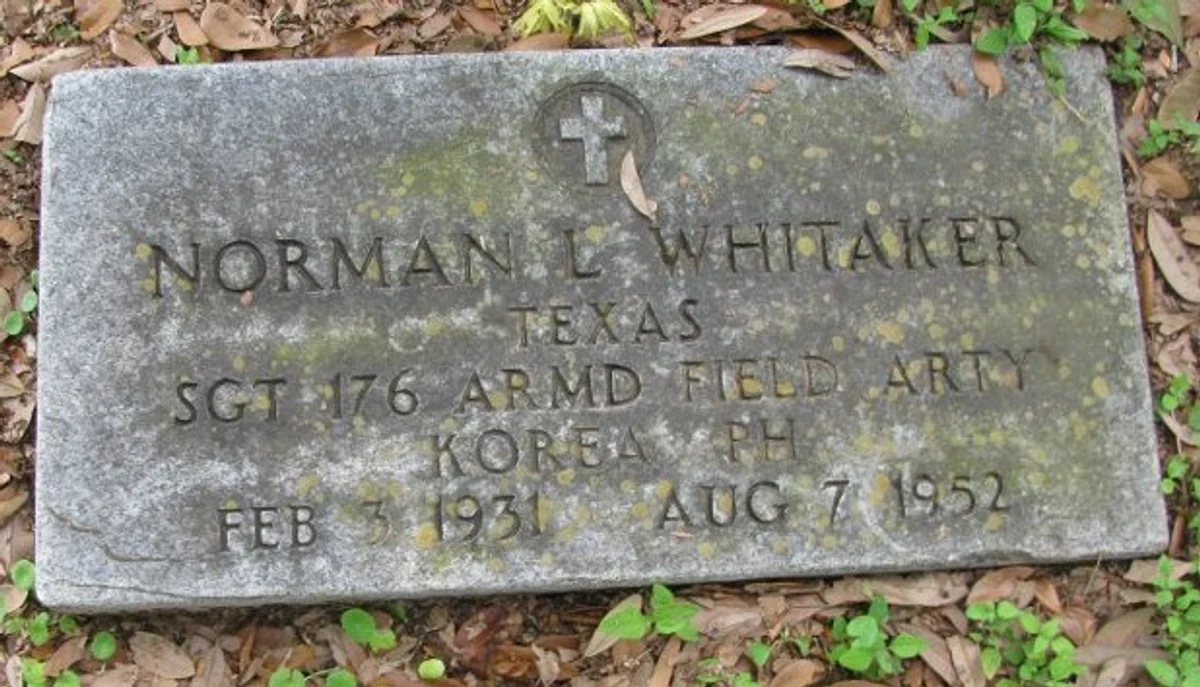
Other American soldiers from the West Columbia area who were killed in action during the Korean conflict were Norman Whitaker, James Edward Anderson, Ralph Henry Gardner and Glen L. Gray.
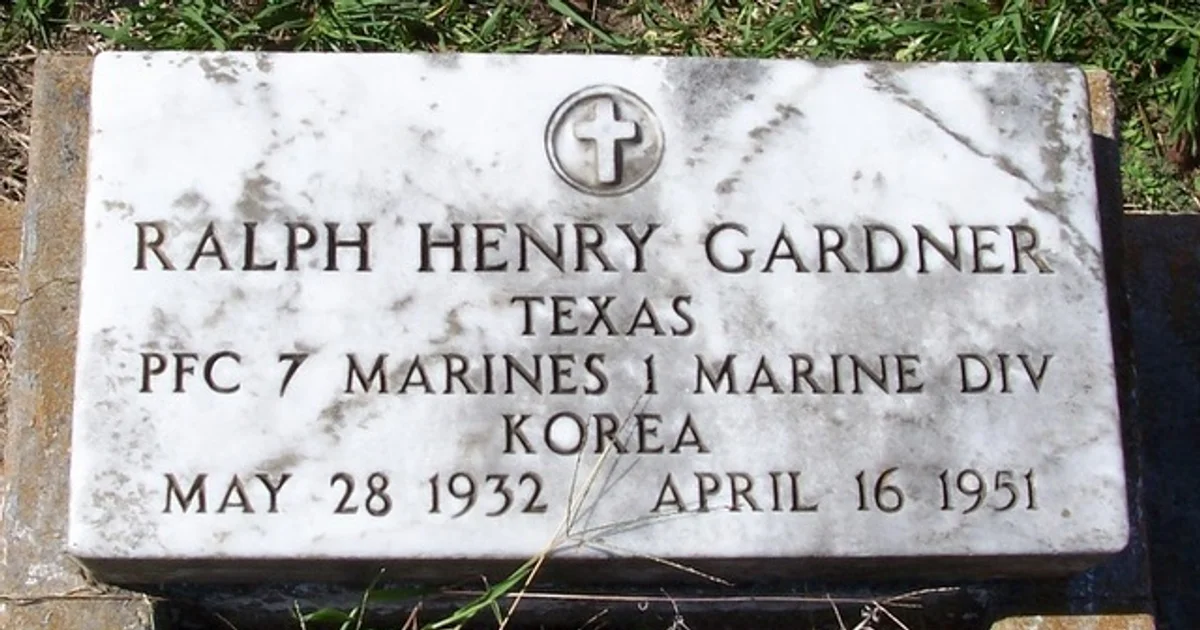
Purple Hearts were given to the surviving family members of those brave soldiers from this area who lost their lives in battle during the Korean War. Norman Whitaker is buried at Columbia Cemetery in West Columbia, James Edward Anderson is interred at the Brazoria Cemetery and Ralph Henry Gardner was laid to rest at the Damon Cemetery. Gardner, the son of W.H. Gardner of Houston and Mrs. August Kostelnik of Needville, was only 18 when he was killed in action in North Korea April 16, 1951.
Newspaper clippings from the September 28, 1951, edition of The Rosenberg Herald revealed that Gardner “was the first Fort Bend County veteran killed in the Korean War theatre to be brought home for burial.” According to the newspaper story, Mrs. Kostelnik had been informed that the body of her young son would arrive in Needville around October 1, 1951. The Marine private had been initially listed as missing in action. Born in Bay City, Texas, May 28, 1932, Ralph Henry Gardner is buried at the Damon Cemetery. In addition to his mother and father, he was also survived by a sister, Mrs. E.M. Bacon of Houston, and three stepbrothers, August Kostelnik of Needville, PFC Tommie Kostelnik of Germany and Corporal Dannie Kostelnik of Yuman, Arizona.
Private First Class James Edward Anderson of Brazoria was also only 18 when he was killed in action July 16, 1950. He had attended grade school in Brazoria and high school in West Columbia. Before entering military service, Anderson worked with his father at his Brazoria grocery and filling station. James Edward Anderson was the son of Laverne Edward “Sailor” Anderson and Sarah Lorene Walden Anderson.
A newspaper clipping about the young Brazorian’s death stated that he “visited home for the last time during the last two weeks of September 1949 and from there he went to California and on to Tokyo, Japan. His last letter home was dated May 8, 1950.” In that letter, James told his parents that he had been transferred to the 7th Calvary division.
His newspaper obituary stated that the Anderson’s “oldest son was buried Sunday with military honors on home soil” in Brazoria. The newspaper story revealed that PFC Anderson “became Brazoria County’s first Korean War casualty.”
In addition to his parents, PFC James Edward Anderson was also survived by two younger brothers, Paul Eugene Anderson and Robert Miles Anderson. They are also buried in the Brazoria Cemetery. Paul Anderson, who died at 64 in 1998, also served in the U.S. Army during the Korean War. Robert Miles Anderson died in 2015 at 77.
Sgt. Norman Lanell Whitaker was a field artillery cannoneer with the 176th Armored Field Artillery Battalion of the U.S. Army’s 40th Infantry Division. He was 21 when he died in battle August 7, 1952, in Kumsong, Korea. Sgt. Whitaker was the son of Samuel Norman Whitaker and Tena “Tennie” McComb Whitaker of Brazoria. Norman is buried at Columbia Cemetery in West Columbia while his parents are interred side-by-side at Lynches Chapel Cemetery in Alto, Texas, in Cherokee County. Sgt. Whitaker, a recipient of a posthumous Purple Heart, Silver Star, Combat Infantryman Badge, Marksmanship Badge and Korean Service Medal, is also honored at the Korean War Veterans Memorial in Washington, D.C.
My mother’s younger brother, Howard Robert Giesler, of East Columbia, was a medic in the U.S. Army during the Korean War. He lived to be 88 but told a story to me, his nephew, how he cheated death in Korea. My uncle told me he was instructed to leave the battlefield for some overdue R and R in Japan. And while he was away from his unit, another medic that was taking his place stepped down into a booby-trapped foxhole and was killed in the explosion. “That should have been me,” my uncle told me. He lucked out that day by not being there.
In addition to my uncle, other area residents whose family members have purchased memorial bricks in their honor at the local American Legion Hall who served during the Korean War include, but are not limited to:
U.S. Army Korean veterans Corporal Norman Fisher, Pete Wolf, Jack Ryland, Corporal R.H. Slaughter, Donald Vollbaum, Tarver Snedecor, Joseph W. Turk, Ben Backor, Sgt. Kenneth Lott, Clifton Huffman, Ray Dell Griffin, Corporal Phillip B. Brown, H.L. “Buddy” Baker, Sgt. Freddie Brown, Jimmie P. English, James F. Gibson, Corporal Reggie Hayes, Corporal Bobby Gray, Sgt. Charles M. Reeves, Paul D. Edwards, William Ringgold, Colonel H.M. Grotfe, John M. Cornwell, Kelly R. Bernard, Colonel Carl Bernard, R.S. Stanger Jr., L.G. “Jeep” Kilsby, Sam P. Fambrough, Van Fambrough, Preston L. Dorman, Sgt. Kelly R. Jackson and Captain Guy S. Woods Jr.
Among the local residents who served in the Marines during the Korean War were Captain George M. Garner, Sgt. W.G. Whatley and Colonel Carl Bernard. U.S. Air Force veterans who served during the Korean War were 2nd Lt. John F. Rader III, Billy Parrack, Sgt. Harold G. Locke and Ben Bollman. And among those local Korean War veterans who served in the Navy were W.R. “Bill” Jackson, John F. Rader III and K.R. “Pete” Finley.
If you are reading this and have a relative who served in the military during the Korean War in the early 1950s, let us know by commenting to this story. And to all those brave men and women who answered the call to duty at any time in our nation’s and state’s past, you have the utmost gratitude of everyone who has the luxury of living in a free society in America because of your sacrifice. Thank you so much!